Views: 132 Author: Site Editor Publish Time: 2026-09-14 Origin: Site
The physical format of a publication dictates its perceived market value and authority before the end-user reads a single word. Publishers, corporate brands, and independent creators face a strict decision during production. They must format high-stakes print runs carefully, balancing strict unit economics against the necessity of delivering a high-end, lasting physical product. Standard paperbacks serve a distinct purpose for mass distribution. However, certain projects demand a permanent, authoritative presence. Determining whether a Premium Hardcover Book aligns with a project’s success criteria requires a rigorous evaluation of structural durability, buyer psychology, production costs, and logistical trade-offs. The wrong format undermines brilliant content. The right format elevates the material into a coveted object. We will explore how to navigate these variables effectively on the press floor. You will learn to match your printing specifications directly to your strategic goals.
Authority and Pricing Power: Hardcover formats inherently signal prestige, allowing publishers to command higher retail price points and establish brand authority.
Structural Longevity: The mechanics of case binding provide superior protection and shelf-life compared to perfect-bound paperbacks, making them essential for reference, art, and collector materials.
Exclusive Customization: Premium finishes—such as foil stamping, debossing, and custom endpapers—are structurally optimized for rigid covers, driving product differentiation.
Logistical Trade-offs: The decision to print hardcover introduces extended manufacturing timelines and heavier shipping weights, requiring precise ROI modeling and supply chain planning.
Establish clear frameworks for deciding when a project warrants a premium format. Professional portfolios, commemorative editions, and high-ticket instructional materials demand prestige. Mass-market distribution relies on cheaper alternatives to maximize reach. Define the core objective of your publication early in the planning phase. Does the content require long-term preservation? Will it serve as a display piece in a professional setting? A rigid format becomes necessary if you answer yes. Consider the functional requirements of the end-user. Cookbooks must endure kitchen environments and lay flat on countertops. Photography monographs require expansive spreads to showcase visual details without spine gutter interference. A standard paperback fails under these specific use cases. Align the format with the goal by prioritizing user functionality over initial cost savings. The physical object must facilitate the intended use flawlessly.
Target demographics evaluate physical media based on the tactile experience. They expect permanence in high-end purchases. Readers judge a volume by its weight, texture, and structural integrity. A substantial physical presence signals importance immediately. It tells the buyer they acquired something valuable and lasting. Meet these expectations to justify premium market positioning. The unboxing experience plays a major role in perceived value. The sound of a heavy cover opening creates anticipation. The texture of thick paper conveys quality. Audiences purchasing collector editions or professional manuals reject flimsy materials. They equate physical robustness with intellectual authority. Delivering a subpar physical product damages brand reputation irreparably. Build trust by exceeding material expectations. When a buyer picks up a well-crafted volume, the heft of the 3mm binders board and the smooth finish of the text stock validate their purchase decision instantly.
Address user experience trade-offs realistically. Evaluate how heavier weight suits desk reference and display purposes. Compare this to the portable reading experience of a paperback. Large volumes work exceptionally well on coffee tables. They stay open easily during intense study sessions. However, they remain cumbersome for daily commutes or casual reading in transit. Match the physical format to the intended reading environment. A heavy tome belongs in a library or studio. A lightweight paperback belongs in a travel bag. Ergonomics dictate how often the reader interacts with the material. If you force a massive trim size on a casual novel, you frustrate the reader. If you print a complex architectural guide as a small paperback, you ruin the diagrams. Balance is essential. Consider the physical strain on the reader's hands when specifying a 400-page volume on 157gsm coated stock.
Outline specific material benchmarks for your project. These benchmarks separate a standard print-on-demand item from a true Hardcover Book. Look closely at paper weight, binding methods, and cover materials. Standard printing uses basic adhesives and thin, uncoated paper. Premium production utilizes sewn spines, heavy coated stock, and textured cover wraps. These tactile differences define the premium threshold clearly. Interior paper quality matters immensely. Upgrading from standard 80gsm text paper to 157gsm matte art paper transforms the reading experience. Opacity increases, preventing text from showing through the pages. Ink holds sharper edges on coated surfaces. The premium threshold requires attention to these granular details. You cannot achieve a high-end result by cutting corners on interior substrates. Specify the exact grain direction of the paper to ensure the pages turn smoothly without fighting the binding.
Detail the engineering differences between binding methods. Rigid case binding attaches the book block to a hard outer shell. Paperback perfect binding glues loose pages directly to a flexible cover. Case binding uses thick binders board to create a durable exoskeleton. This prevents the spine from cracking under stress. Perfect binding degrades faster after multiple reads because the flexible spine creases and weakens. The manufacturing process dictates longevity. In perfect binding, the spine edge is milled off, and glue is applied to the rough edge. In case binding, the cover is built separately. The boards are wrapped in cloth or paper. The interior block is then glued into the case using endsheets. This separation of cover and block creates a hinge. The hinge absorbs the stress of opening and closing. A layer of crash or super—a woven mesh—reinforces the spine block before casing in.
Feature | Case Binding (Rigid) | Perfect Binding (Paperback) |
|---|---|---|
Cover Material | Thick binders board wrapped in cloth, leather, or paper | Flexible cardstock (usually 10pt to 14pt C1S) |
Spine Flexibility | Rigid spine with flexible hinges for stress relief | Flexible spine that creases upon opening |
Durability | Extremely high; withstands decades of use | Moderate; prone to page detachment over time |
Lay-Flat Ability | Excellent (especially when Smyth sewn) | Poor; requires force to hold open |
Production Time | Longer (requires adhesive curing and case assembly) | Shorter (rapid inline finishing) |
Evaluate durability for heavy-use applications carefully. Smyth sewn book blocks offer superior lay-flat capabilities. Thread stitches individual signatures together. A signature is a folded section of pages, usually 16 or 32 pages thick. This mechanical bond outlasts standard glued spines significantly. Adhesives dry out and become brittle over decades. Sewn bindings allow the pages to open fully without breaking the spine. This lay-flat capability is mandatory for specific content. Art spreads crossing the gutter require perfect alignment. Cookbooks must stay open hands-free. Instructional manuals need to rest flat on workbenches. Smyth sewing ensures the volume remains intact under these demanding conditions. While it adds production time, the structural integrity gained is indispensable for premium projects. Even when using high-grade Polyurethane Reactive (PUR) glue, adhesive bindings cannot match the mechanical strength of a physically sewn thread passing through the paper folds.
The rigid structure reliably supports larger trim sizes. It allows for expansive margins and high-resolution image spreads. Enhanced readability occurs without compromising spine integrity. Paperbacks warp and curl if they become too large. A rigid cover maintains its shape regardless of dimensions. Design immersive layouts confidently, knowing the physical structure will support the visual weight. Oversized formats create a commanding presence. Standard trade sizes limit design options. Moving to a 9x12 inch or 11x14 inch format opens up creative possibilities. The binders board prevents the large cover from bending under its own weight. This structural stability is why coffee table editions exclusively use rigid binding. The format dictates the design limitations. When working with large trim sizes, ensure your printer has the press capacity to run the larger parent sheets required to fold 16-page signatures efficiently.
Examine how rigid overhangs protect interior pages. These overhangs are called squares. They extend approximately 3mm beyond the interior pages on the top, bottom, and fore-edge. They prevent dog-earing, moisture damage, and UV degradation. Decades of shelf storage require this specific protection. The hard shell absorbs impacts during transit and handling. The interior pages remain pristine inside this protective casing. Shelf life metrics matter for reference materials. Libraries and archives prefer rigid formats for this exact reason. The structural advantage guarantees a long lifespan. Flexible covers offer zero overhang protection. The pages align flush with the cover edge. Any impact to a paperback damages the pages directly. Rigid formats isolate the pages from external friction. The thickness of the binders board—typically ranging from 2mm to 3mm—determines the level of impact resistance the volume provides.
Compare the tactile and visual benefits of various materials. Cloth and linen offer a classic, textured feel. They evoke traditional publishing aesthetics. Faux leather provides elegance without extreme material costs. Genuine leather delivers ultimate luxury for limited special editions. Printed paper over board (PPOB) allows full-color photographic covers. Each material changes the user perception entirely. Select the option matching your brand identity. Material selection impacts the finishing options available. Cloth absorbs ink differently than coated paper. Leather requires specific stamping dies. Coordinate the cover material with the intended artwork. A minimalist design excels on textured linen. A highly detailed photograph requires a smooth, printed paper wrap. The tactile feedback of the material is your first interaction with the reader. When specifying PPOB, always apply an anti-scuff matte or gloss lamination to protect the printed ink from scratching during bindery operations.
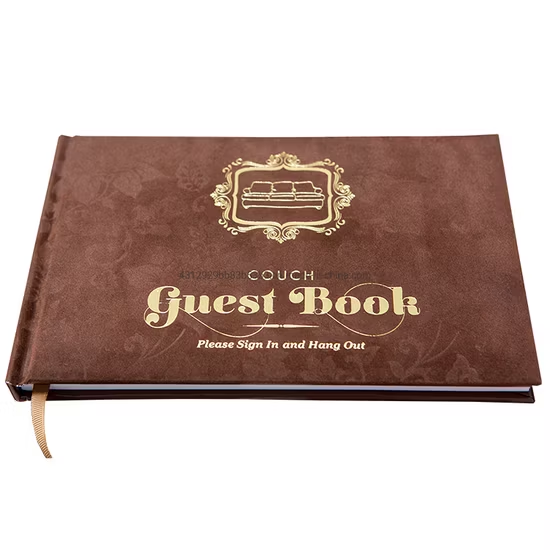
Detail the application of specialty finishes. Foil stamping adds metallic brilliance to typography. Blind embossing creates raised tactile elements. Debossing presses designs deep into the rigid substrate. Spot UV coating highlights specific graphics with a glossy contrast against matte surfaces. These techniques require a hard, stable surface. Flexible covers cannot support deep debossing effectively without warping. Finishing techniques create visual hierarchy. A gold foil title draws the eye immediately. A debossed logo adds subtle sophistication. Combine these techniques to build a multi-sensory experience. The rigid boards provide the necessary resistance for heavy stamping presses. This allows for crisp, sharp impressions that elevate the perceived value of the physical object. Always consult with your prepress department to ensure your vector files have the correct minimum line thickness to hold the foil or UV coating without filling in or breaking apart.
Explain the structural role of interior upgrades. Custom endpapers connect the book block to the cover. They offer prime real estate for artwork or brand patterns. Headbands and tailbands hide the binding glue at the spine ends. They provide a finished, tailored look. Ribbon markers add functional elegance for readers. These small details elevate the final product significantly. Endpapers require specific material choices. They must be strong enough to act as the hinge. Uncoated, heavy stock—typically 140gsm woodfree paper—works best. Headbands come in various color combinations to match the cover design. Adding a silk ribbon marker signals that the content is worth returning to. These interior upgrades require minimal financial investment but yield massive returns in perceived quality. Ensure the ribbon marker is cut to the correct length, extending diagonally past the bottom corner of the page block.
Evaluate added value and protection. Removable jackets provide extra marketing real estate. They protect the cloth cover underneath from dust and handling. Custom slipcases offer the highest level of protection. They enclose the volume in a protective rigid box. Slipcases instantly position the publication as a high-end collector's item. Dust jackets allow for design flexibility. Print vibrant marketing copy on the jacket while keeping the actual cover understated and classic. Slipcases elevate the presentation for gift markets. They require precise engineering to ensure a snug fit. The volume must slide out smoothly without catching. Both options increase the footprint and authority of the final product. When designing a dust jacket, calculate the exact width of the French folds to ensure they do not interfere with the natural opening of the boards.
Break down the cost multipliers carefully. Manufacturing a rigid format costs more than a paperback. Account for setup fees and specialized machinery. Material costs increase due to binders board, cloth, and specialty adhesives. Offset printing requires significant initial investment for plate creation and press setup. Model these expenses accurately before production begins. Volume drives the unit cost down. Short runs of rigid formats carry a high cost per unit. As the print quantity increases, the setup costs distribute across more units. Analyze quotes from multiple printers. Compare the material costs against the setup fees. Understanding this ratio helps you determine the most efficient print quantity for your specific project. Factor in the makeready time on the press. Every time a new signature is loaded, the press operator must calibrate the ink keys and register the plates, consuming paper and time.
Analyze the psychology of pricing. The perceived value supports wider profit margins. Buyers willingly pay a premium for durability and aesthetics. The retail price increase often outpaces the manufacturing cost increase. This dynamic improves overall profitability. Capture more revenue per unit sold, even with higher initial production expenses. Positioning is everything. A standard paperback retails for a modest amount. The exact same content in a premium format commands a significantly higher price. The buyer pays for the object as much as the information. Leverage this pricing power to offset the initial manufacturing investment. The margin expansion makes the premium format a highly viable business strategy. The physical heft of the volume acts as a silent salesperson. When a consumer holds a well-manufactured edition, the tactile feedback justifies the premium price point before they even review the table of contents.
Discuss traditional publishing models. Launch the premium edition first. This captures high-margin early adopters and collectors. Release a budget-friendly paperback edition later. This strategy maximizes revenue across different audience segments. It satisfies demand for prestige first. Then it addresses the mass market. Windowing protects the perceived value of the initial release. Early adopters want the best version available. They want the durable, aesthetic object for their shelves. By delaying the cheaper format, you force the most eager buyers into the higher margin product. Once that market saturates, the flexible format captures price-sensitive readers. This sequential release strategy optimizes the total revenue generated by the intellectual property. It also allows you to fund the subsequent paperback print run using the profits generated from the initial high-margin premium release, reducing your overall capital risk.
Provide a framework for calculating print runs. Determine the minimum viable quantity required. Offset printing becomes financially logical at higher volumes. Calculate your fixed setup costs. Divide them by the projected sales volume. Compare this to print-on-demand alternatives. Independent creators must run these numbers carefully to avoid holding excess inventory. Identify your break-even point early. If setup costs are high, you need to sell a specific number of units just to recover the investment. Factor in shipping, warehousing, and marketing costs. Do not base your break-even solely on manufacturing expenses. A comprehensive financial model ensures you do not overcommit capital to a print run that the market cannot support. Always request a tiered pricing quote from your printer. Seeing the unit cost drop at 1,000, 2,500, and 5,000 units helps you pinpoint the exact volume where your profit margins maximize.
Address the reality of longer lead times. Case binding requires complex machinery. Curing adhesives takes time. Applying specialty finishes adds production days. Rapid paperback production is much faster. Build buffer time into your launch schedule. Delays happen easily if you ignore curing times or rush the prepress approval process. Offset printing schedules are rigid. Once you approve proofs, the presses require specific scheduling slots. Drying times for heavy ink coverage cannot be bypassed. The boards must acclimate to humidity levels to prevent warping. Plan for a multi-week production cycle. Rushing a premium format results in structural failures and compromised quality. If the binders board does not have time to cure after the cover material is glued, the covers will warp outward. This defect is irreversible. Patience during the bindery phase guarantees a flat, stable final product.
Assess the logistical impact thoroughly. Increased unit weight affects freight costs directly. Warehousing requires more robust shelving. Direct-to-consumer fulfillment becomes more expensive. Heavy parcels incur higher postage rates. Factor these logistical realities into your profit margins. A heavy volume eats into profits if shipping costs are underestimated. Pallet configurations change with heavier formats. You fit fewer units on a standard pallet before hitting weight restrictions. This increases the number of pallets required for freight transport. International shipping magnifies these costs. Calculate the exact landed cost per unit, including freight and fulfillment, before finalizing the retail price. Logistics dictate profitability. Work with your printer to specify double-walled corrugated cartons for shipping. Single-walled cartons will crush under the weight of rigid books stacked on a pallet, damaging the corners of the volumes inside before they even reach your warehouse.
Highlight technical prepress requirements. Rigid covers demand specific hinge creases. You need precise bleed allowances for cover wraps. The wrap must fold over the thick boards seamlessly. Spine width calculations must be exact. Paper thickness dictates the spine size. Even minor errors cause binding failures or misaligned cover graphics. Work closely with prepress technicians to ensure accuracy. Calculate the spine bulk using the exact Pages Per Inch (PPI) of your chosen paper stock. Do not guess these measurements. Request a physical dummy book from the printer. This blank prototype allows you to verify the spine width and structural feel before committing to the final print run. Precision in prepress prevents disastrous production errors. Ensure your interior layout accounts for the gutter margin. Sewn bindings lay flat, but you still need a minimum of 0.5 inches of inner margin to keep text readable near the fold.
Request physical material proofs and a blank dummy book from your printer to verify spine calculations and paper opacity.
Calculate total landed costs, factoring in the increased freight weight and pallet configurations of the heavier format.
Consult a specialized print broker to finalize binding specifications, grain direction, and specialty finishing techniques.
Build a minimum of eight weeks into your production schedule to accommodate offset press makeready, adhesive curing, and case assembly.
A: Commercial printers require a minimum of 24 to 32 pages for case binding. The spine needs sufficient width to support the structural integrity of the binders board and hinge creases. Books falling below this page count lack the necessary spine bulk and are typically saddle-stitched or manufactured as board books instead.
A: Production costs vary based on volume and materials. Case-bound volumes cost significantly more per unit than perfect-bound paperbacks. This accounts for thicker boards, specialized cover materials, and complex binding machinery. The higher retail price point and expanded profit margins usually offset this initial manufacturing investment.
A: Smyth sewn binding uses thread to stitch folded page signatures together before attaching them to the cover. This creates a highly durable, lay-flat spine. Standard adhesive binding simply glues loose pages into the spine. Sewn bindings last much longer under heavy use and prevent pages from detaching over time.
A: Not always, but they frequently are. The rigid cover structure easily supports larger dimensions without warping. This makes them ideal for oversized art portfolios and reference manuals. Paperbacks in very large trim sizes tend to bend, curl, and degrade quickly during regular handling and shelf storage.
A: Case-bound editions weigh substantially more due to the thick binders board and heavier interior paper stock. This increased weight directly raises freight shipping costs from the printer. It also increases individual postage rates for direct-to-consumer fulfillment. You must calculate these logistical expenses early to protect your profit margins.
A: Yes, dust jackets fit over almost all case-bound structures. They are most commonly paired with cloth, linen, or faux leather covers. The jacket provides a printable surface for marketing graphics while protecting the premium material underneath from scuffs, dust, and UV exposure during retail display.