Views: 141 Author: Site Editor Publish Time: 2026-06-12 Origin: Site
Publishers and independent authors face growing demand to align physical products with environmental values. We must actively move past superficial greenwashing to meet modern consumer expectations. Readers want assurance their reading habits do not harm the planet. However, printing on recycled paper presents real challenges. Achieving commercial-grade quality without sacrificing durability or drastically inflating costs requires navigating complex manufacturing trade-offs. You cannot simply swap paper stocks and expect identical results.
Sustainable Book printing isn't a single checkbox. It requires a holistic evaluation of paper sourcing, ink chemistry, binding adhesives, and production models. We must ensure the final product meets quality standards and verifiable eco-criteria. This guide reveals how to balance aesthetics, budget, and ecological responsibility. You will learn to audit materials, choose the right production models, and evaluate print vendors effectively.
Material viability depends on the project: 100% Post-Consumer Waste (PCW) paper excels for text-heavy books but requires strategic compromises for high-color formats.
Paper is only 50% of the equation: True sustainability must account for low-VOC inks, recyclable adhesives, and plastic-free cover finishes.
Durability is an environmental metric: Over-optimizing for minimal materials can lead to fragile books; a longer physical lifespan inherently reduces carbon footprints.
Production models matter as much as materials: Shifting to Print-on-Demand (POD) eliminates the massive industry waste associated with overproduction and "stripped books."
Commercial printers use specific terminology to describe eco-friendly paper. Buyers must clarify these terms to verify claims and avoid greenwashing. Many printers label their paper as "sustainable," but this word lacks legal definition. You need concrete metrics to evaluate environmental impact.
People often confuse FSC certification with recycled content. They represent two different environmental strategies. FSC (Forest Stewardship Council) certification ensures responsible new harvesting. It guarantees timber comes from responsibly managed forests. It prevents illegal logging and protects biodiversity. However, FSC paper is still virgin paper. It requires cutting down new trees.
PCW (Post-Consumer Waste) dictates actual recycled content. PCW paper comes from materials consumers already used and discarded. High PCW percentages directly divert paper from landfills. When auditing a printer, always ask for the exact PCW percentage.
Wood pulp is not the only option. We see emerging viability in alternative fibers. Hemp, bamboo, and sugarcane offer rapid-renewable alternatives. Bamboo grows to maturity in three years. Hemp requires minimal pesticides. Sugarcane bagasse utilizes agricultural waste. These fibers scale well. However, processing facilities remain limited geographically. This scarcity can increase transportation emissions.
Paper recycling requires massive amounts of energy. The energy source powering the paper mill sometimes outweighs the recycled percentage. A facility running on biogas or wind energy significantly lowers lifecycle emissions. A mill relying on coal power nullifies many environmental benefits. Always consider the manufacturing energy source.
Metric | Primary Focus | Environmental Value | Limitations |
|---|---|---|---|
FSC Certified | Responsible Forestry | Protects biodiversity and indigenous rights. | Still uses 100% virgin wood pulp. |
PCW Content | Waste Reduction | Diverts consumer waste from landfills. | Fibers weaken after multiple recycling loops. |
Alternative Fibers | Rapid Renewal | Grows faster than traditional timber. | Limited milling infrastructure globally. |
Mill Energy Source | Carbon Emissions | Reduces greenhouse gases during production. | Difficult for end-buyers to verify directly. |
Buyers often hesitate before choosing recycled materials. They worry their projects will look cheap or faded. We must address this primary hesitation directly. The physical properties of recycled paper dictate its ideal use cases. You must match the material to the layout.
Paper strength relies on fiber length. Virgin paper contains long, strong fibers. During the recycling process, machines chop and shred these fibers. Recycled paper fibers are shorter and inherently more porous. This porosity affects how ink sits on the page. Ink spreads slightly more on recycled stocks. Printers call this "dot gain." Dot gain reduces image crispness.
Novels and memoirs do not require vibrant imagery. For these text-heavy formats, uncoated 100% PCW paper offers the ideal solution. It presents zero compromises regarding readability. The slightly textured feel often enhances the reader's tactile experience. The natural, off-white hue reduces eye strain.
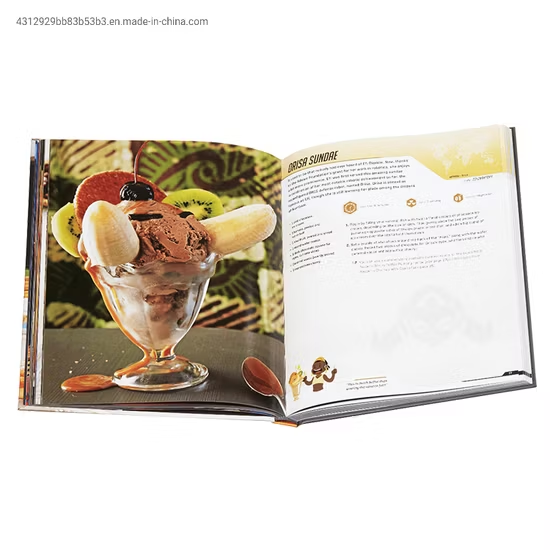
Visually demanding projects require careful planning. High-end art catalogs or cookbook printing demand pristine color fidelity. Using 100% PCW paper here can compromise visual standards. The porous nature of short fibers dulls vibrant colors. Dark ink areas might look washed out.
We recommend a hybrid approach for image-heavy layouts. You can mix 10-30% PCW with FSC-certified virgin fiber. This blend maintains professional visual standards. It provides a smooth surface for sharp image reproduction. You achieve a premium look without entirely abandoning sustainability.
Common Mistakes: Do not force 100% PCW on a photography portfolio. The resulting muddy images will disappoint readers. Compromise intelligently to preserve the project's commercial viability.
Paper is just the canvas. We must shift focus to the often-ignored chemical components. Inks, glues, and coatings can easily render a recycled book completely unrecyclable at its end-of-life. Ignoring these elements defeats the purpose of buying PCW paper.
Traditional petroleum inks dominate the industry. They dry fast and produce sharp colors. Unfortunately, they emit volatile organic compounds (VOCs). They also complicate the paper de-inking process during recycling.
Soy and Vegetable Inks: These provide excellent alternatives. They release fewer VOCs and make repulping easier. They offer bright, rich colors.
Algae Inks: This emerging technology uses carbon-negative algae pigments. While highly sustainable, they remain a niche, expensive option.
Water-Based Inks: These eliminate VOCs entirely. However, we must note the implementation reality. Water-based inks require more energy-intensive drying processes. The hot air dryers consume significant electricity.
Publishers typically protect covers with plastic lamination. Standard gloss or matte films use synthetic plastics. This plastic layer firmly bonds to the paper board. It severely contaminates recycling streams. Municipal facilities cannot separate the plastic from the paper efficiently.
We strongly warn against standard plastic lamination. Propose aqueous coatings instead. These water-based coatings provide a sustainable, protective alternative. They resist fingerprints and minor scuffs. More importantly, recycling facilities can process them easily.
Glue types vary drastically in their ecological impact. Standard EVA (Ethylene Vinyl Acetate) glues crack over time. When a book breaks, people throw it away. We must assess glue types through the lens of durability and recyclability.
Highlight PUR (Polyurethane Reactive) adhesives as a strong middle ground. PUR glue is highly durable. It extends the physical life of the book significantly. A longer physical lifespan inherently reduces carbon footprints. Furthermore, modern commercial repulping processes can easily separate PUR glue from paper fibers.
We must look beyond physical materials. The operational carbon footprint of the publishing model creates massive ecological damage. Traditional offset printing relies on speculative inventory. You print thousands of copies, hoping they sell. Often, they do not.
The traditional retail model harbors a wasteful flaw. Bookstores return unsold mass-market paperbacks to publishers. However, shipping heavy books costs money. To save freight costs, retailers rip the covers off. They send the covers back for credit. They dump the perfectly good book bodies straight into local landfills. We expose this "stripped book" phenomenon because it represents catastrophic structural waste.
We must frame Print-on-Demand (POD) as a primary eco-friendly strategy. POD eliminates warehousing emissions. It stops speculative printing dead in its tracks. You only print a book when a customer actually buys it.
POD eliminates dead stock in warehouses.
POD reduces cross-country freight emissions.
POD allows authors to update text without pulping old editions.
Prepress stages generate unnecessary waste. Printers usually mail physical proofs across the country. We advocate for digital proofs over physical shipped proofs. Reviewing PDFs on color-calibrated monitors instantly cuts transportation carbon output. It accelerates the production timeline while saving jet fuel.
A truly eco-friendly book must navigate its eventual disposal successfully. It must be easily processed by standard municipal recycling facilities. Many publishers design beautiful books that become permanent trash.
Consumers mistakenly throw whole hardcover books into recycling bins. We must clarify this process. Standard hardcover books cannot be directly recycled. The rigid board, heavy spine glues, and cloth wrappings jam recycling machinery. Consumers must physically tear off the hard covers first. Only the inner paper block can enter the recycling stream. You should educate your readers on this reality.
People assume paper safely biodegrades in landfills. This assumption is dangerous. We must provide the evidence-oriented reality. Books sent to landfills decompose anaerobically due to a lack of oxygen. This anaerobic decomposition releases methane. Methane acts as a greenhouse gas far more potent than CO2. Keeping books out of landfills is an absolute climate imperative.
Some zero-waste advocates attempt to compost books at home. While pure cellulose paper is compostable, a finished book is not. Heavy inks poison soil microbiomes. Plastic toner particles persist as microplastics. Synthetic glues never break down in backyard compost bins. You cannot safely compost standard commercial books.
Best Practices: Design books for longevity. Encourage readers to donate, swap, or resell books. The most sustainable book is one that changes hands multiple times before facing the pulper.
Choosing a commercial printing partner requires diligence. You need actionable next steps for shortlisting vendors. Do not accept vague marketing brochures. Demand transparent data.
Use this shortlisting logic to evaluate potential partners:
Do you provide transparent Technical Specifications? Ask for exact VOC percentages in their inks. Request the precise PCW ratios for their paper stocks. If they hesitate, look elsewhere.
Are your facility operations powered by renewable energy? Find out if they purchase wind credits or use solar panels. The factory footprint matters.
Do you offer plastic-free packaging and carbon-offset shipping? Ensure they do not wrap your eco-friendly books in layers of plastic shrinkwrap. Ask if they use recycled cardboard boxes.
Many authors assume eco-printing is prohibitively expensive. We must address this cost assumption. Ultra-niche materials, like pure algae inks or hemp paper, do carry a premium. However, standard FSC and partial-PCW options have reached price parity at scale. The market has shifted. When you pair sustainable materials with a POD distribution model, you offset premium material costs by eliminating unsold inventory. You pay slightly more per unit, but you buy far fewer unnecessary units.
Sustainable book production is a series of calculated compromises. You must balance aesthetics, durability, and your environmental footprint. There is no perfect solution, but there are countless better choices available today.
We advise buyers to prioritize POD models first. Eliminating structural waste and overproduction yields the highest ecological return. Once you fix the supply chain, apply the highest percentage of PCW paper your specific layout can support. Match uncoated recycled stocks with text-heavy novels. Use smart FSC blends for image-heavy projects. Finally, insist on non-toxic inks and water-based coatings.
Next Steps:
Audit your current book layouts to determine viable PCW percentages.
Request detailed technical spec sheets from three prospective eco-printers.
Transition your prepress workflow to 100% digital proofing.
A: High PCW paper and specialized bio-inks may carry a slight premium compared to mass-market virgin materials. However, authors can easily offset these physical production costs. By shifting to Print-on-Demand models, you eliminate overstock, warehousing fees, and pulping costs. You only pay for what you sell.
A: Yes, but it is challenging. Many standard commercial glues contain animal byproducts. Furthermore, laser toners often contain microplastics. Achieving strict vegan compliance requires highly specialized, boutique printers. These niche vendors ensure plant-based glues and organic inks, though they generally charge a premium for custom sourcing.
A: They cannot enter the recycling stream intact. Consumers must manually remove the metal or plastic coils before recycling the paper. You can recycle metal coils separately in scrap metal bins, but plastic coils typically go to the landfill. Always pull the binding apart first.
A: Not always. A printed book has a one-time carbon footprint. It requires zero energy to read once manufactured. E-books require continuous energy draw. They rely on massive server storage, daily device charging, and the eventual creation of toxic e-waste when e-readers break.